

Salt promotes the release of juice from meat and vegetables. From this property come the basic rules for various products and dishes.
• Vegetable salads are salted before serving, otherwise vegetables will lose their shape.
• Meat or vegetable soups are salted right at the beginning of cooking if you want to get a rich dish with a rich taste. If you need a juicy piece of meat, it's better to salt it after removing the foam.
• Fish broth should be salted immediately after removing the foam, otherwise the fish may overcook.
• Fried vegetables are salted almost at the end of cooking - otherwise, releasing juice, they will turn into stewed ones. Except for eggplants: it's recommended to fry them in salted oil or add salt before cooking so that the vegetables release juice: along with the juice, they will release excess bitterness.
• Meat for frying or baking is usually salted (marinated with salt added) before cooking. This is especially important if a large piece is being fried or baked: the meat has time to get evenly salted and absorb the marinade flavors. But there's an exception to this rule: low-fat steaks are recommended to be salted at the end of frying, when the crust appears - otherwise, after losing juice, the meat will be dry and tough.
• Fish for frying is recommended to be salted at least 15 minutes before cooking so that it maintains its shape.
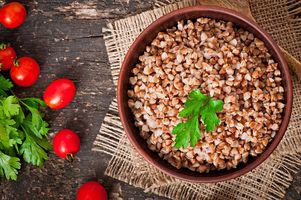
• Pasta, dumplings, peeled potatoes, cereals for crumbly porridge are placed for cooking in boiling salted water. Salt solution makes the cell membranes of many products stronger, that is, prevents overcooking.
• Cauliflower or broccoli in unsalted water instantly lose their shape, so the water needs to be salted before cooking.
• Legumes — peas, beans, lentils - it's better to salt depending on what result is needed. If you need to overcook them (for soup) - salt them 5-10 minutes before they're ready, if cooking for salad - then in salted water.