

| Caloric Content | 333 kcal. |
|---|---|
| Proteins | 11 g. |
| Fats | 2 g. |
| Carbohydrates | 68 g. |
| Boil | 8 min. |
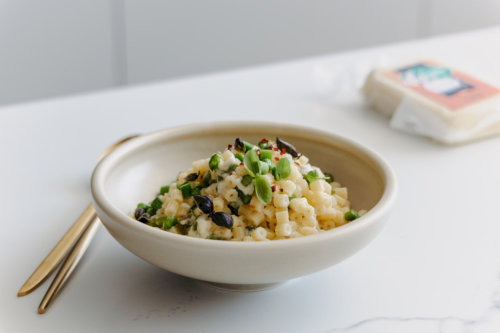
These are pasta made from durum wheat, appearing as long thin threads with a diameter of about 2 mm. The composition of high-quality spaghetti includes, first of all, vegetable proteins, dietary fiber, starch and a significant amount of carbohydrates. Secondly, spaghetti has a low content of saturated fats and cholesterol, but a comparatively higher content of polyunsaturated and monounsaturated fats, and especially an important amount of Omega-6 and Omega-3 fatty acids, both of which are extremely beneficial for the body. Thirdly, the composition of spaghetti includes mainly B vitamins (B3 - Niacin, B-5 - Pantothenic Acid and B9 - Folic Acid), vitamins E (Tocopherol) and PP. And last but not least, this traditional Italian product is rich in minerals such as potassium, calcium, selenium, magnesium, iron, phosphorus, copper, manganese and sodium. Spaghetti is served not only with various sauces but also in combination with diverse food products. Since ancient times, in the coastal areas of Italy, spaghetti was traditionally combined with various "gifts of the sea": fish, cuttlefish, squid, mollusks, crab, lobster, while in areas farther from the shore, spaghetti was combined mainly with various types of meat, whether minced or not, eggs, mushrooms, herbs and various types of cheese. Additionally, spaghetti combines ideally with tomatoes, eggplants, zucchini and many other vegetables that can be prepared with olive oil, garlic, freshly ground pepper, and also with many herbs specific to Mediterranean cuisine. But regardless of what we want to combine them with, it should be kept in mind that spaghetti should be cooked whole, even the longest varieties, which can be eaten with a spoon and fork or with a special fork for this type of pasta.